Martech enhances online campaign value through exposure and remarketing.
Consumers are moving towards a “digital-first” lifestyle, and businesses must follow suit with their marketing strategies.
Smartphones and artificial intelligence are now ubiquitous; consumers have become accustomed to using online social networking, online meetings, remote work, and live streaming for entertainment activities. Once people discover that these new lifestyles are more convenient and easier, their willingness to travel and participate in activities on foot is not as high as before.
Since consumers (the market) operate this way, businesses and brands must cater to them and adapt to changing information dissemination methods . Although consumers are individual entities while brands are collectives, and there are differences between the two—for example, it’s much more difficult for a company to learn how to set up a live stream than for a consumer to learn how to log into an app to watch a live stream—brands cannot afford to be conservative in order to retain consumers. Fortunately, digital data tools and services are now readily available, making it increasingly easier for brands to learn how to conduct online activities and, more importantly, integrate them into a comprehensive marketing strategy.
For today’s corporate brands, organizing an online seminar is not difficult. But integrating a single online event with the company’s marketing strategy to enhance the pre-, during-, and post-event benefits requires a different level of thinking.
Integrate short-term online activities into the brand’s long-term marketing strategy.
When people think of online events, they immediately think of the advantages of [flexible time and location] and [low cost of organizing/participating], as well as the disadvantages of [reduced sense of presence] and [reduced social interaction]. These characteristics are more noticeable in a single online event. However, if short-term online events are used as part of a “digital curation strategy,” the event’s effectiveness can be amplified, enjoying two additional benefits: [expanded event reach] and [extensive application of event content] . At the same time, the lack of presence and social interaction can be balanced through other marketing methods in digital curation, such as social media forum operations.
Online events have an unlimited number of participants, making them ideal for using data to expand “effective” reach.
In the past, online campaign promotions aimed to increase participation by leveraging existing data such as past event records, customer information, and business lists. They also relied on blanket advertising to attract new customers. This approach, at best, depends on human experience to determine which platforms would attract the most viewers. Furthermore, it’s vulnerable to platform manipulation; for example, once you buy paid advertising, if you don’t continuously increase your budget, you risk having your traffic and reach cut , and the audience you reach may be invalid lists “allocated” by the platform, not necessarily genuinely interested customers.
Online events, with sufficient technical expertise, can accommodate an unlimited number of participants and can be held anywhere with internet access. Wouldn’t it be a shame if the participant list consisted of the same familiar faces, with few new participants?
During the promotion and exposure phase of online events, you can first target the event content and then filter the online public’s intentions and behavioral patterns. What kind of people are looking for what information, and what kind of people might be interested in the event ? Find the “intent keywords” that are most likely to participate in the event and use them as the target. Then, search for “whose online behavior contains these intentions” to identify high-probability audiences. Then, expand the relevant intentions step by step and find audiences with lower probability of participation to plan targeted and precise exposure.
▼Martech Tools: Select highly competitive keywords related to the event theme from internet users’ search patterns.
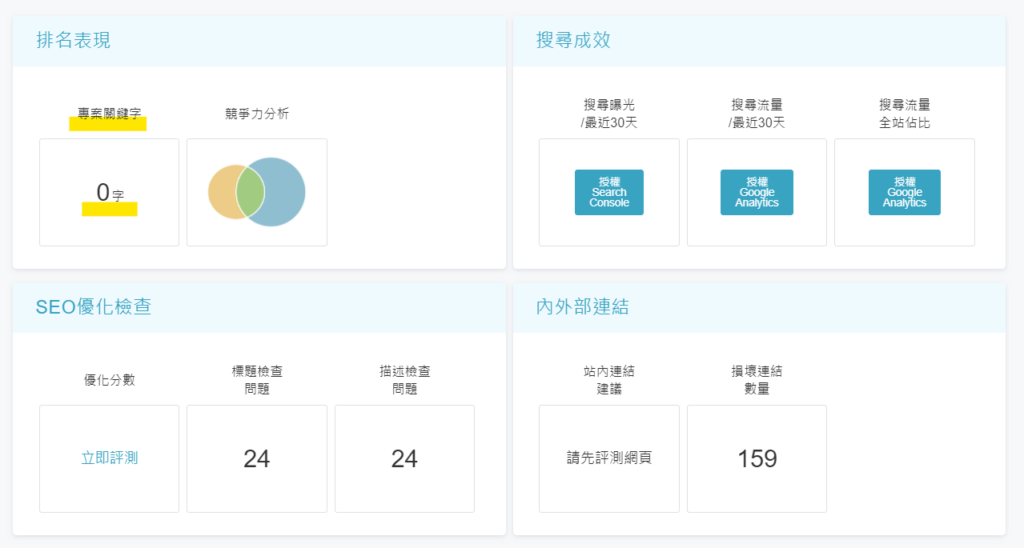
Image source: Provided by Ranking
How do you determine the key keywords for an event? You can start by brainstorming ideas from the event itself (similar to finding relevant materials for writing ad copy). Use Martech tools like keyword volume analysis and topic volume analysis to help organize your thinking and refine your keyword strategy . For example, for a “study abroad workshop” event, experienced marketers can quickly identify keywords such as “summer/winter breaks,” “study abroad agency,” “Europe/US/Canada,” “accommodation,” and “local festivals.” Then, use Martech to analyze the search volume of all keywords at once. For high-search-volume, high-volume keywords, further analyze ” Which websites/platforms do people who search for this information frequent, and what information do they follow? ” Placing ads on these high-potential websites/platforms is far more effective than solely relying on Google and Facebook paid ads, and it can also reach audiences who weren’t initially on your target audience.
Online campaigns are a crucial tool for enhancing brand exposure and building strong cold calling relationships. Leveraging data to obtain a large and highly accurate pool of qualified leads not only reduces ineffective cold calling but also significantly increases the likelihood of campaign participants becoming brand customers
▼Martech Tools: Before generating buzz online, the following analytics tools can help design trending topics.
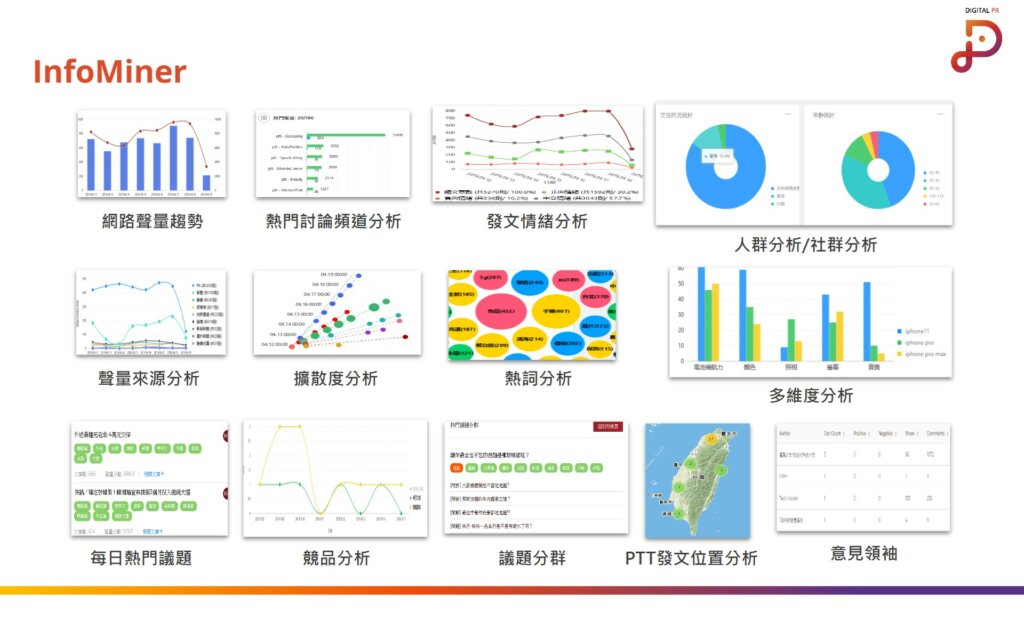
Image source: Provided by Digital PR
Reusing and repurposing event materials to extend event memorability and reach.
Another advantage of online events is often mentioned: video documentation can be shared and amplified online throughout the entire event. However, event marketing teams often encounter a situation where the event’s video content is of high quality, but its viewership on YouTube is very low afterward . This wastes an opportunity for a single event to generate a lasting impact.
Online campaigns need to have “remarketing benefits,” going beyond just getting videos viewed again. Video footage can be edited and reused, transformed into SEO articles, social media forum comments, quick guides, email marketing, etc., or used to attract attention with short videos, leading viewers to other website links (such as brand project introductions, consultation pages, fan pages, etc.). Highly interactive content , such as Q&A segments from the campaign, is especially valuable. From a human perspective, it feels relatable and resonates with both participants and viewers, making it ideal for short-form remarketing exposure.
▼After the lecture, the key points will be compiled into a summary and shared on social media and in advertisements.
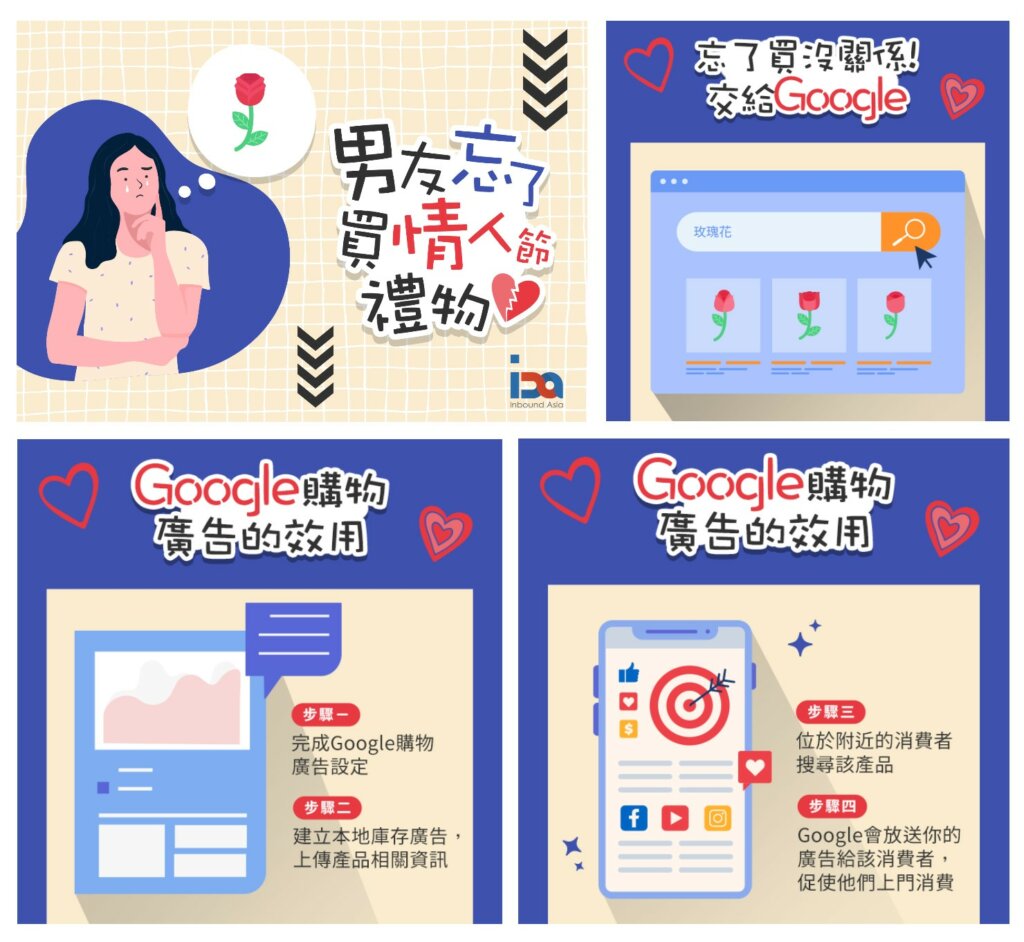
Image source: IBA Facebook page
▼The article, themed “Event Documentary,” reiterates the event content and is redesigned for SEO.
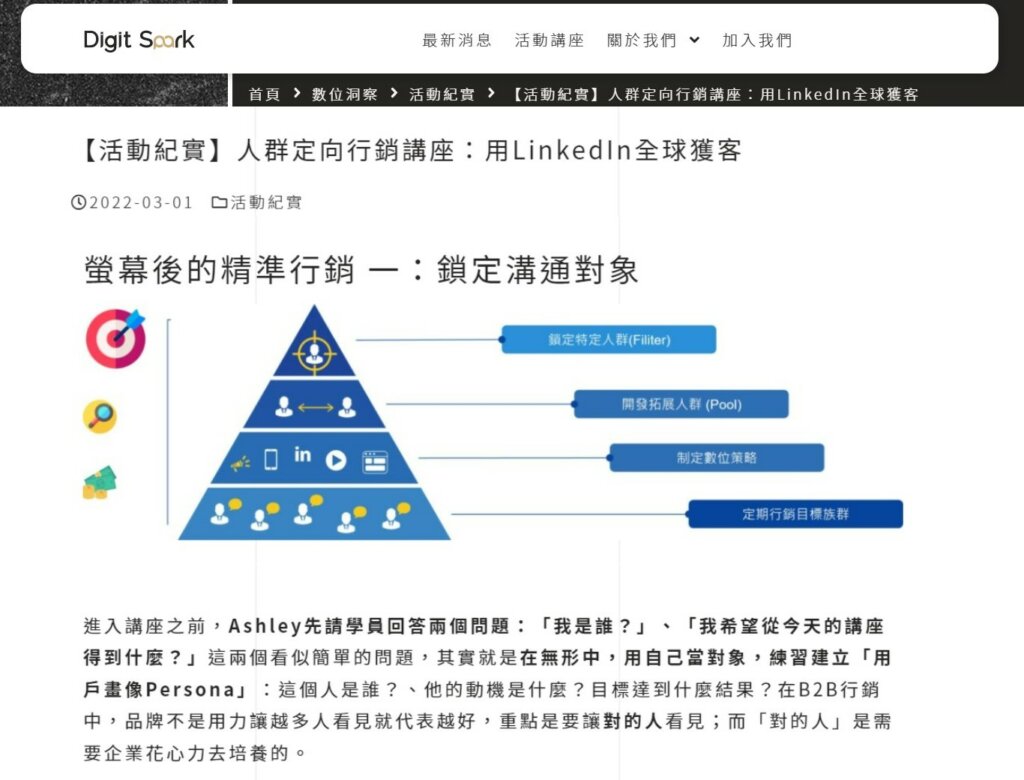
Image source: Digit Spark official website
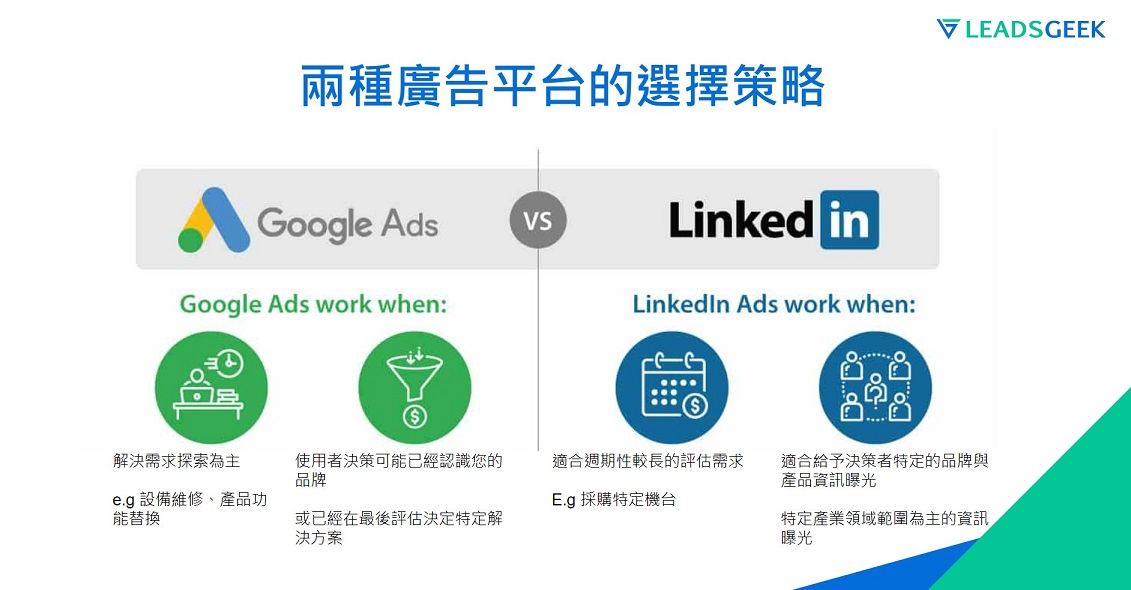
Online event content remarketing differs from pure SEO content marketing in that SEO attracts readers and increases reach by exposing “knowledge,” while online event content, packaged as remarketing material, carries more of an ” interpersonal interaction and community element ” than SEO exposure. For example, in the previous example of a content package, an SEO expert would write a rich and informative article analyzing Google Ads point by point. In contrast, an online event content package uses lighthearted images with minimal text, highlighting only the most crucial points and incorporating various everyday topics, creating a conversational feel. The key is to “make the audience want to watch and listen.” If readers want to learn more, they can access the SEO article website via the link provided in the content package.
Besides increasing exposure and attracting new customers, remarketing activities can also be presented as ” rewards ,” making participants feel valued and helping to retain brand members . For example, Digit Spark’s monthly online lectures: after each event, we compile the lecturer’s presentation into electronic handouts and send them to participants who need them. While this is labor-intensive for the brand, it gives attendees a genuine sense of being cared for, and it also significantly strengthens their brand impression when they review the material .
The content of a remarketing campaign should provide a memorable point and a window to help both new and existing audiences deepen their brand affinity and drive traffic from the remarketing content to other brand information. That’s enough.
Conclusion
Whether it’s an online or offline event, everything that happens during the event should be treated as an object. In addition to saving it online, marketers need to think about how to use these things to generate short-term exposure for the brand and maintain long-term brand loyalty. Through the accumulation of results, future brand events can become more impactful, and the reach of the message will increase, effectively transforming into real brand power and building lasting consumer trust.
In the future, we will explore more topics related to online events, online-offline integration, and digital curation. Please continue to follow Digit Spark’s column for a clear and concise introduction to various aspects of digital marketing and data marketing.
Further Reading:
Google Trends: What is Intent Targeting?
Digit Spark, part of the Zhenhao Internet Media Group, integrates its six sub-brands offering data application services to provide enterprises with comprehensive and precise optimization services across five key areas: “Industry Customer Targeting,” “Performance Optimization Strategies,” “Digital Tool Integration,” “Online Voice Cultivation,” and “Brand Value Promotion.” It drives brand success through data technology.