Hotels transform into travel planning and experiential marketing, enriching brand value.
While hotel operators can gain exposure through booking platforms such as Booking.com and Trivago and thus attract a large number of bookings, their performance depends heavily on the intensity of exposure on these platforms. They also face commission fees from these platforms and price competition from other hotels. Therefore, enriching their brand value and enhancing their own attractiveness to guests is a crucial core aspect of marketing in the accommodation industry.
In the era of social media, consumers are increasingly valuing the “ritual of travel” and the ability to “leave unique visual records” when planning their trips and accommodations. This presents a perfect opportunity for hotel operators to cater to these preferences. Besides designing high-quality spaces, they can also leverage marketing strategies to position their hotels as the “center of the travel map.”
Experiential marketing transforms “hotels” into a core memory of travel.
Hotel operators are taking the initiative to integrate local attractions and act as the core of travel planning. This approach differs from “directly partnering with travel agencies to become contracted accommodations.” From the consumer’s perspective, if they participate in a travel agency’s itinerary, they will directly ask the travel agency for help, and their evaluation and impression of the entire trip will be primarily based on the travel agency’s arrangements. In other words, for consumers, the “hotel” is merely “one part of the service,” a facility rather than the main focus.
However, if hotels take the initiative to plan and design ” location-centric, in-depth experience-based travel programs ,” the situation changes. While it’s hard work for hotels to proactively offer these trips as a way to attract guests, it brings tangible benefits:
- The number of guest accommodations will not be taken up by local competitors.
- This generates buzz, creates positive word-of-mouth, and increases search volume, attracting new members and returning customers.
- Deliver impressive content marketing campaigns to build brand value that surpasses competitors.
- Partnering with local businesses and attractions strengthens the brand’s connection with the local community and unlocks business opportunities.
Hotel Tourism Marketing Case Study: Taichung Dayi Hotel
When the tourism industry froze due to the pandemic, the Taichung City Hotel, located in the heart of Taichung and adjacent to the Art Museum, pioneered the “Traveler Backpacking Project .” This project created a one- to two-day, in-depth city travel map of Taichung, collaborating with approximately 20 attractions scattered throughout the city, including cultural sites, trendy shops, and craft workshops. Data analysis was used to study tourist spending habits and routes, as well as online buzz around each attraction. Based on consumer preferences, four different styles of travel maps were designed to target different customer groups and employ segmented marketing strategies .
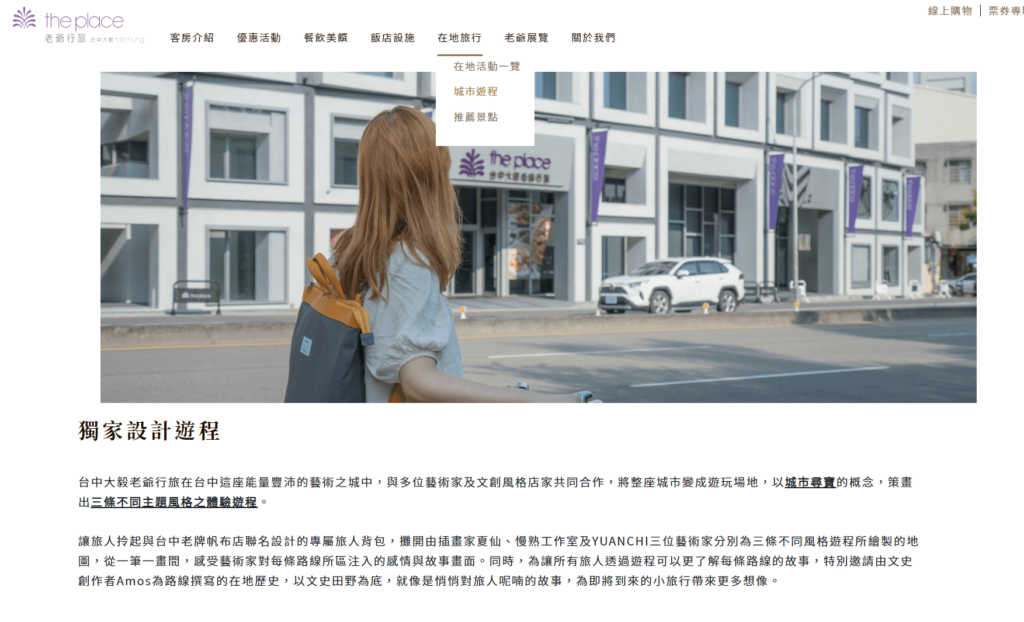
Image source: Da Yi Lao Ye website
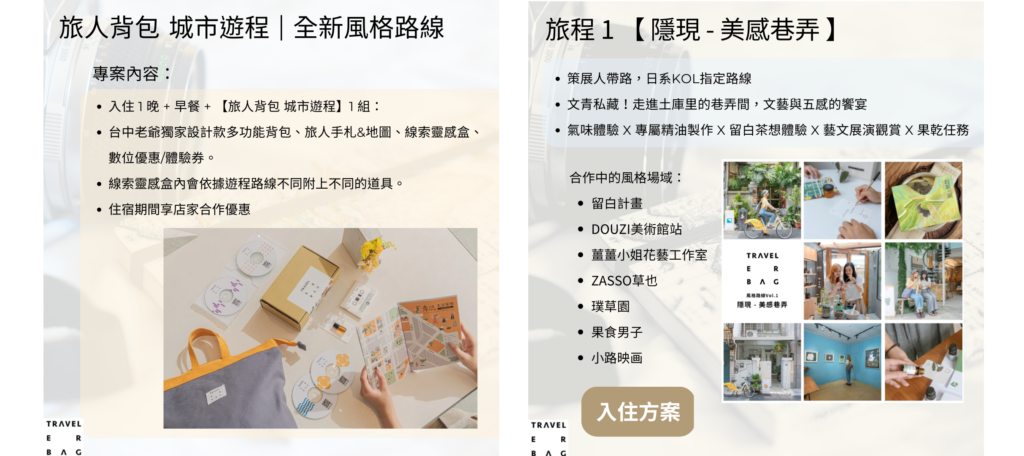
Image source: Digit Spark
Design a comprehensive traveler experience that maximizes the power of storytelling.
Grand Hotel Taiwan believes that the marketing focus should be on the ” sense of ritual ” that travelers value ; the backpacker traveler program is inspired by the concept of “city treasure hunt”. For consumers who participate in the trip and stay overnight, this holistic planning greatly enhances the hotel brand’s visibility in the entire event, ensuring that the brand does not lose focus when promoting word-of-mouth marketing later.
The Backpackers’ Plan focuses on unique travel arrangements; however, it also puts considerable effort into marketing. Below are our marketing highlights:
-
Exclusive gifts amplify appeal and remarketing effect:
Design a series of exclusive accessories for the event, including backpacks, notebooks, and EasyCards. Just like the added value that road races and marathons giveaways bring to the event, event souvenirs are highly attractive to participants who want to collect and check in during the event . After the event, consumers can also actively share them , achieving the effect of user-generated content (UGC) marketing .
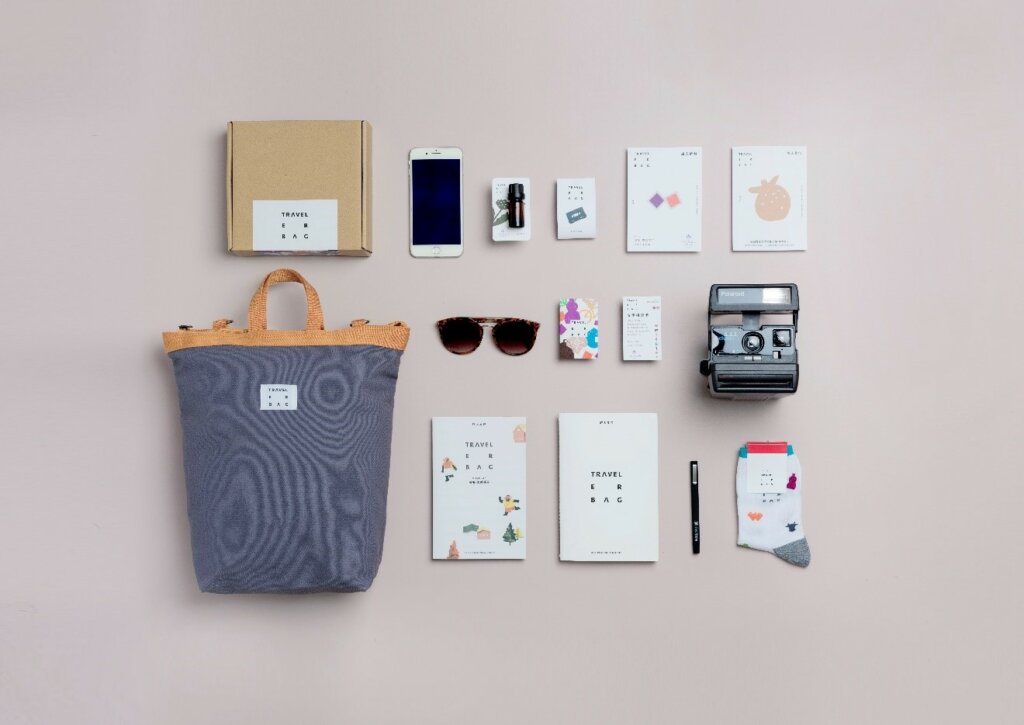
Image source: Da Yi Lao Ye website
-
Content marketing and streaming of complete travel guides:
Da Yi created a dedicated website for his backpacking project , which includes beautifully illustrated route information, introductions to participating businesses, and guides to unique activities. The website is user-friendly, intuitive, and fun, demonstrating his dedication to content marketing.
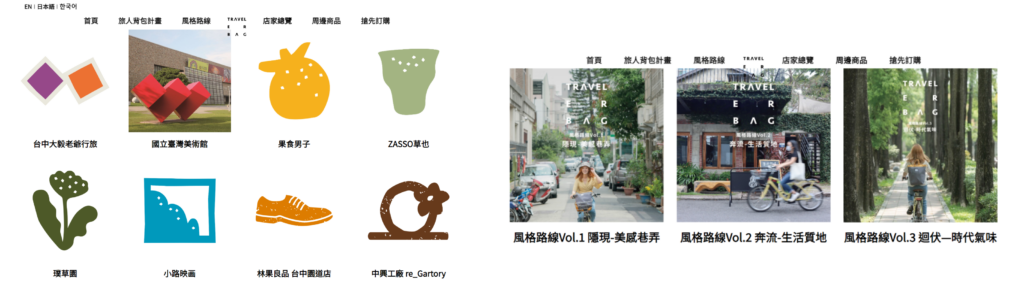
Image source: Traveler Backpacking website
-
Transform the hotel into a “visitor center” while simultaneously implementing online and offline CRM:
Consumers participating in the Traveler Backpacking Program will initially be guided offline by the hotel counter to download the necessary e-tickets, travel route maps, and props. For consumers, the Grand Hi-Lai Hotel is like a visitor center for their journey, where staff can answer various questions and provide more local stories about Taichung.
Consumers are also guided by hotels to join the event’s Line account, enabling them to collect digital stamps and easily redeem spending discounts during their travels. This approach not only allows consumers to enjoy their trip more effectively but also helps hotels and businesses collect consumer data .
New marketing strategies gather consumer behavior data, creating mutual benefits for restaurants and businesses.
The “Traveler Backpacking Project” employs a variety of online marketing strategies. In the early stages of the project, surveys are conducted through hotel membership systems, and itineraries are designed based on the analyzed consumer preferences . Upon launch, a self-built website platform, social media platforms, and digital tools (such as Line and a points-based reward system) are simultaneously launched to collect consumer behavior data. Combined with exposure on forums, both hotel and partner attraction operators benefit.
By observing consumer activities, businesses can gather detailed consumption information, such as arrival and stay times, spending preferences, usage rates and spending amounts for various promotional offers. This allows businesses to create consumer profiles , which is beneficial for future marketing planning of products and events. For example, some stores have reported that they only realized after collecting this information that their weekly closing days were actually peak days for customers in the surrounding area, causing them to miss out on business opportunities without realizing it.
For Grand Hi-Hotel, this transformation into a tourism project not only generated positive word-of-mouth and increased occupancy rates, but also significantly enhanced the hotel’s brand value. Grand Hi-Hotel invited representatives from foreign associations stationed in Taiwan to participate in the project and share their experiences, thus building the hotel’s reputation overseas. For example, in Japan, statistics show an increase of 1,000 to 2,000 page views for Grand Hi-Hotel. Furthermore, Grand Hi-Hotel is using this event to collaborate with major travel platforms, planning similar treasure hunt events in the future to expand business opportunities.
Hotels and guesthouses need to innovate and transform digitally to attract more consumers, and cross-industry collaborations are common; in the past, collaborations with airlines and cartoon IPs to launch themed rooms were frequently seen. This case is a rather unique cross-industry transformation. Although planning the tourism program requires a lot of effort, it establishes a deep connection with consumers and injects vitality into the hotel’s brand through a brand-new marketing approach, ensuring sustainable operation.
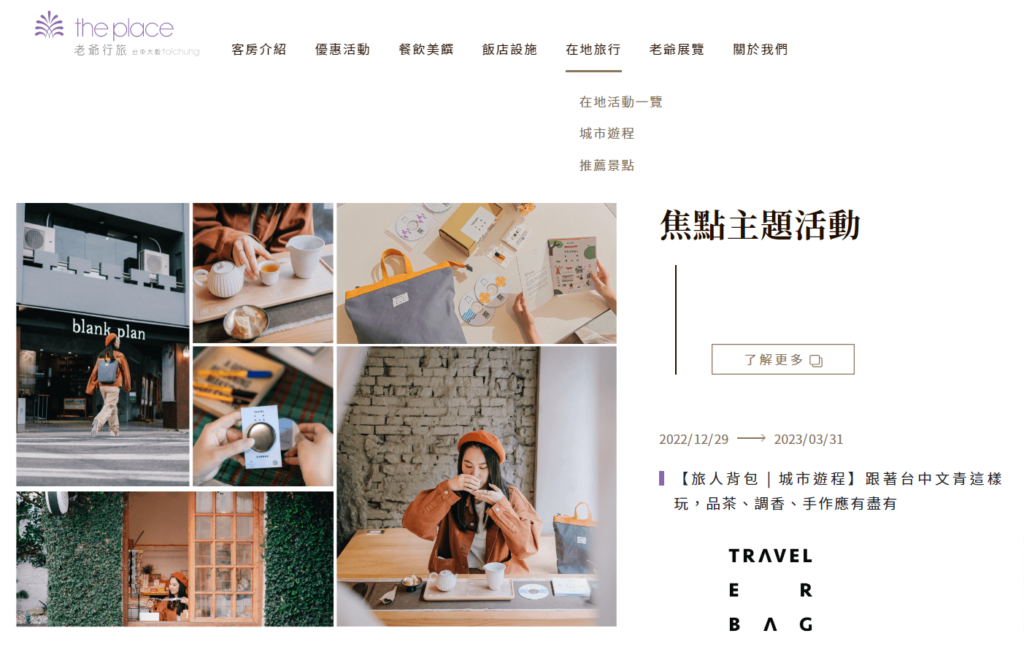
Image source: Da Yi Lao Ye website
Related information:
- Ministry of Economic Affairs’ “Idea Project” Success Story
- Traveler Backpacking Project Official Website
- Da Yi Travel – Local Travel
Further Reading:
How the accommodation industry can find marketing breakthroughs during the pandemic crisis (from the mrhost accommodation platform)