[Understanding Data] Why Collect My Data? The Benefits of Data Communication Between Consumers and Businesses
#ConsumerJourney #DataLiteracy #DataCommunication
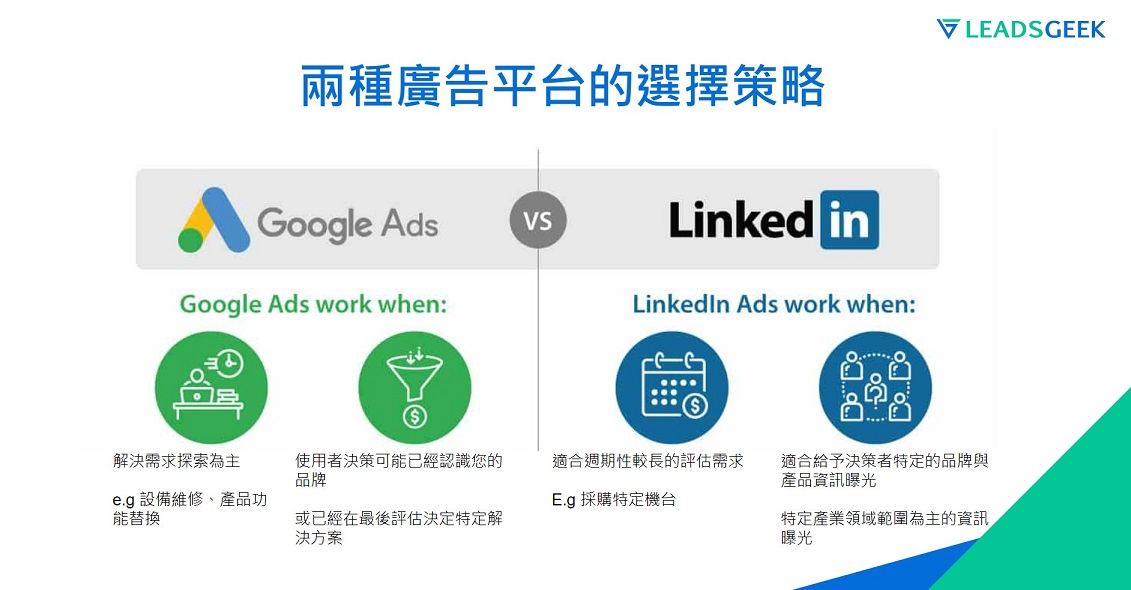
As any business owner knows, to actively seize business opportunities, you must understand what consumers are thinking and have intelligence to address their specific needs! That’s why there are so many Martech companies on the market that offer a wide variety of data services, including various channels, different big data technologies, and diverse data services, helping businesses to “acquire consumer data” at an unparalleled pace.
But when we set aside our work and revert to being “consumers,” we often feel a sense of unease about “my data being collected”! The main reasons are nothing more than: fear of spam messages and concerns about data security and leakage.
Of course, businesses should do their utmost to provide consumers with transparent privacy policies and choices, ensure the legality of data collection methods, and establish proper management mechanisms. Data security is also receiving increasing attention in cybersecurity regulations. But today, let’s discuss how brands use data to build effective communication with consumers, and what benefits we, as consumers, can gain from embracing data-driven communication.

The purpose of businesses actively collecting behavioral data
Let’s first consider the perspective of “brand operators.” Their main purposes in actively collecting data are: 1. to gain more consumer favor , and 2. to strengthen the connection with members .
The “direct data” of consumers that businesses want includes:
- Personal identification information :
Name/ID/account name, contact information, place of residence, and methods of direct communication with consumers. Used to provide personalized information or customer service and CRM services. - Behavioral data :
In addition to purchase records, it also includes consumers’ behavior records on websites, applications or other partner platforms (such as shopping platforms and hotel booking websites): From browsing history, clicks, searches, and time spent on web pages, businesses can analyze consumers’ interests and preferences, find products and habits, and thus design segmented marketing strategies. - Consumer reviews :
These include consumer feedback, comments, and ratings regarding products or the overall service process. This is one of the most important data points for a brand’s long-term development. Besides encouraging businesses to continuously optimize products and services, it also serves as a medium for building market goodwill, enhancing positive word-of-mouth, and attracting potential consumers.
The first and second points mentioned above are generally what consumers care about most, especially the first one. Fortunately, most consumer brands now conduct personalized marketing campaigns through membership newsletters and app ads, which do not require binding consumers’ sensitive personal data, greatly reducing consumers’ concerns. To achieve personalized marketing, after the end of the Google Cookie era, the trend of brands collecting data will focus on “behavior,” obtaining consumer behavior data through “de-identification and tagging.” Therefore, consumers do not need to be too anxious about issues such as personal data leakage.
Secondly, many people have noticed while browsing websites and social media that “I keep getting ads for a certain type of product…” This phenomenon is a result of “consumer behavior data” being collected. A single consumer’s action (e.g., Wang Xiaoming searching for waterproof boots on Shopee) isn’t collected by just one company, but rather linked across the databases of countless consumer platforms and related product brands. Consumers inevitably feel like they’re being “monitored,” but this is also an effective way to “personalize marketing” to reach a wide audience. It’s two sides of the same coin; whether it’s good or bad depends on the brand’s flexibility in using data techniques and whether consumers themselves can have an open mind, break away from traditional thinking, and even guide the data to work for them. (For example, if you want to buy a dress but don’t know exactly what kind, just randomly click on a few dress sellers and wait for the algorithm to pick up your search behavior and automatically recommend dresses!)
By reading behavioral data, businesses can understand what consumers are thinking, and conversely, consumers can also “suggest” what they want to businesses .
Further Reading: “Intent Targeting” Becomes a Google Trend; How Can Marketing Strategies Get Closer to Consumers?
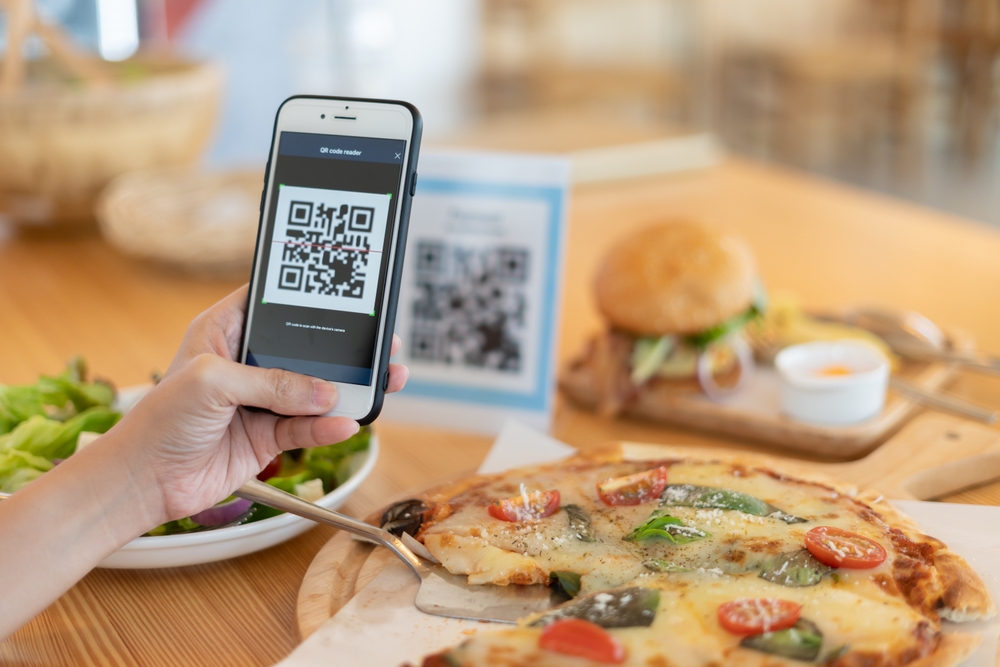
Benefits of Consumers Contributing Behavioral Data
B2B databases, Martech marketing companies, and voice survey companies that provide services for corporate brands all use Martech systems, either connected to mainstream platforms or developed in-house, to collect data on “members (existing customers)” and ” potential audiences (consumers who have not yet been successfully developed)” for corporate brands.
The collected behaviors may seem like just numbers at first glance, but professional data analysts can cross-reference “the same group of observed audiences × footprints on different web pages/channels” and “the same product/web page/channel × different types of observed audiences” to discover the meaning of this behavioral data: ” what different consumers want “; and many of these are even “latent needs” that consumers themselves are unaware of . Analysts are like mind readers, understanding people from our subconscious actions of reading web pages and using apps, and then handing over these data analysis results to brand operators who serve consumers.
Why do businesses go to such lengths? Because today’s consumers are not just focused on buying products; how they buy them (how they interact with the product/brand), and the added value of the purchase (such as convenient pickup, the experience of receiving service, etc.) are all factors considered when making a purchase. Therefore , brands must strive to please consumers , doing their utmost to ” segment and optimize, catering to the preferences ” of different consumer groups in all aspects, including product design and development, membership CRM mechanisms, marketing exposure planning, promotional offers, and service experience , to satisfy the diverse behavioral intentions of each consumer group.
Further Reading – (Industry Perspective): Good Martech Helps You Stand Out in the Consumer Journey
For consumers, letting businesses understand their needs means they don’t need to spend time and effort communicating; businesses can simply tell them “how they can meet my needs .” The “personalized marketing” often mentioned in the market is an application of behavioral data between businesses and consumers. For example, if you’ve been following a brand for a long time and gradually notice the following phenomena, it’s very likely that personalized marketing is at work in the market:
- This brand originally specialized in product category A, but now it has expanded to include categories B and C, as well as other crossover collaborations?
- Previously, delivery service took 5 days; now, there are same-day express and 5-day standard options available.
- The number of items and the methods for add-on purchases and discount programs are increasing, and they are becoming more and more customized.
- When using services from Brand A in daily life, you can also simultaneously enjoy benefits from Brand B; for example, credit cards often offer double rewards at many merchants.
In short, when I find that brands seem to understand my life better and better, that their services are becoming more comprehensive, and that the cost of obtaining material goods and convenience in my life is decreasing… all of this is because businesses design various personalized solutions to serve us based on different behavioral preferences and consumer behavior databases.
Conclusion
Of course, when collecting consumer data, brands will prioritize respecting the individual’s wishes. Besides “de-identification” being fundamental, they will also provide consumers with a consent form before collection to decide whether to share their data and the scope of that sharing . However, allowing businesses to collect consumers’ daily data footprints in a de-identified manner represents a mutually beneficial business model trend.
From a business perspective, the better you understand consumers, the easier your products will sell, and the higher your chances of making a profit. Conversely, from a consumer’s perspective, designing the messages they want to receive, the services they want to use, and the new products they want to buy can make life increasingly convenient, allowing them to enjoy being cared for attentively at all times, because: the brand understands them .
Just as we adjust the functions and app settings of our phones to suit our usage habits, behavioral data can subtly present us with daily advertisements, paid services, and added value gained from purchases according to our preferences. This two-way data exchange enables consumers to enjoy increasingly personalized marketing experiences and, together with brands, create a better consumer environment.

Further Reading:
- “Intent targeting” has become a Google trend. How can marketing strategies be developed to get closer to consumers?
- Create a virtuous cycle of “Data Marketing ∞ Digital Marketing” to guide consumers to follow the brand.
Digit Spark leverages data science and combines it with business marketing logic to help businesses create digital content and service processes that are closer to the consumer market. At the same time, it utilizes AI to revitalize brand operations, helping to comprehensively improve a company’s digitalization, datafication, and brand performance.